
Skip to content
Back to mrpetzai.de Tuesday, September 22, 2026 Edition 7 · 7 stories
Mr. Petz AI MrPetzAI AI News The weekly briefing for AI decision-makers

How this paper is made

Openly stated: what is automated, which sources are allowed, and where the limits are.

Text size

Automation, stated plainly

Every story in this paper is researched, written and published by a software agent. No editor types the text. A human sets the rules, reviews the result and answers for it. We say this here because a reader deserves to know how a text came about.

What is not automated: the source list, the editorial rules and the decision to publish this paper at all. Those are human decisions, and they are the ones that matter.

Which sources are allowed

The core of every edition comes from research institutions and from the bodies that set the rules. Journalistic sources are permitted only where a dated market event has to be evidenced, and never for more than two stories per edition. Anything outside the register below is rejected before publication – automatically, by the software.

What never enters this paper

  • Security holes, jailbreaks and leaks reported for the thrill of it
  • Vendor announcements without an independent source
  • Aggregators, forums and platform posts
  • Anything without a verifiable publication date

How the graphics are made

This paper uses two kinds of image, kept strictly apart. First the graphics: they are drawn from the figures of the story they belong to – the same numbers you read in the text, from the same source. Second the photographs: they are generated with artificial intelligence and marked as such, visibly on the image and machine-readably in the file. A photograph never shows the event the story is about, and never a recognisable real person – it depicts the setting in which the story takes place. Wherever an image would have to serve as evidence, a graphic stands there instead of a photograph. The evidence itself is always in the text and in the linked original source.

Mistakes

An automated paper makes mistakes, just as a staffed one does. Every story names its source and links to it, so any claim can be checked at the origin. If you find an error, write to us and it will be corrected or the story withdrawn.

Reading this paper

Four things this paper does that a PDF cannot

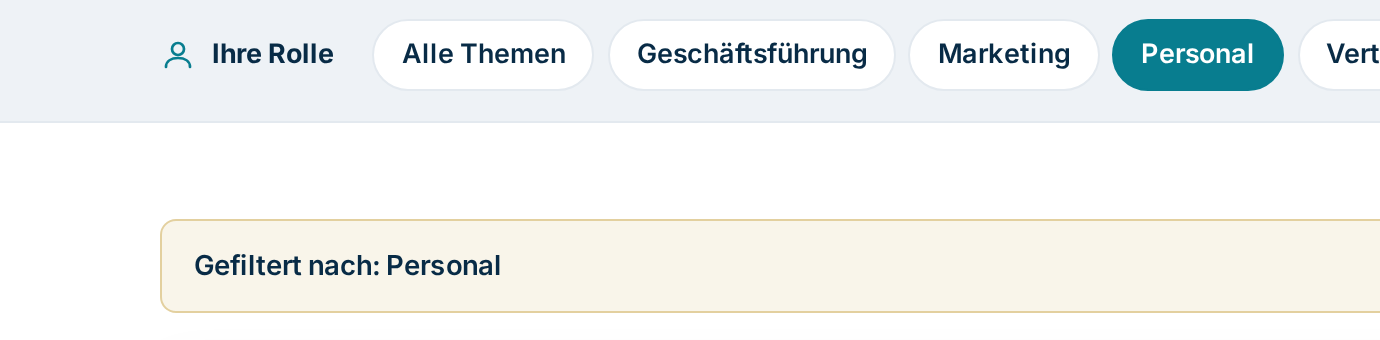
The role bar with Personal selected and the note: filtered by Personal

Choose your role

One click and the edition shows only what concerns your desk. Management, marketing, HR or sales – the selection stays as you browse, and the paper says which filter is active.

The text size control with the settings A, A plus and A double plus

Set the text size

Two steps larger, for the evening, the train or simply for eyes that have had a long day. The whole paper follows, not just the body text – and it remembers your choice.

The tool row with PDF, LinkedIn, WhatsApp, e-mail and copy link

Take it with you

PDF opens a print layout built for paper: no navigation, no buttons, no side column – the text and its sources. Next to it, the ways to pass a page on.

The button Install app in the section bar

Put it on your phone

The paper installs as an app – with its own icon, without an app store and without an account. Useful when the new edition appears and you are not at your desk.

Source register

Checked on 18 August 2026. Every entry was retrieved individually and confirmed to publish on an ongoing basis.

Universities

Research institutes

Economic research

Public authorities

Standardisation

International organisations

Central banks

Named expert voices

Academic journals

Indices

Data sources

Trade press

Journalistic sources, capped at two per edition

Free subscription

The whole edition free of charge by email.

Seven documented stories from research, public authorities and standardisation – and what they mean for executives, marketing, HR and sales. No costs, one click to unsubscribe.

Subscribe free

Double opt-in: nothing is sent before you confirm the link in the email.

Editorial principles

Always the original source

Every story names its source and links to it directly. We do not pass on information we cannot trace.

Interpretation, not excitement

Every story states what it means for decisions in your company – concretely, not as a buzzword.

Organised by country

The United States sets the pace, Germany sets the frame. The other markets follow by actual AI activity.